


Randomized trials and a recent meta-analysis have reported improvements in sleep quality and insomnia symptoms with auricular taVNS. The evidence is encouraging but still limited, and research protocols differ substantially.


-23%
ZenoWell Gel Pack - Conductive Gel for Vagus Nerve Stimulation
Sale price
$99.00
Regular price
$129.00


ZenoWell Electrode Earpiece – Stable Ear Contact for Vagus Nerve Stimulation
Regular price
$169.00


-100%
Out of Stock
ZenoWell Warranty Card-Extend Your Device Warranty
Sale price
$0.00
Regular price
$10.00
What to look for in a vagus nerve stimulation device
Not all vagus nerve stimulation devices work the same way. Some stimulate through the ear, others through the neck, while implanted systems require surgery. For home use, an auricular vagus nerve stimulator offers a non-invasive option that sits on the outer ear.
If you're looking for a vagus nerve stimulator for sleep, understanding where and how each device delivers stimulation is a good place to start. It helps you compare the different options before choosing one for your bedtime routine.

How do vagus nerve stimulation devices work for sleep?


Compare vagus nerve stimulation devices for sleep
Looking for the best vagus nerve stimulator for sleep? Think about what using it before bed will actually involve. Some devices offer short, handheld sessions, while others let you wear the device hands-free. Session length, setup steps, and whether you need an app can also make a difference to your nightly routine.

How to use a vagus nerve stimulator before sleep
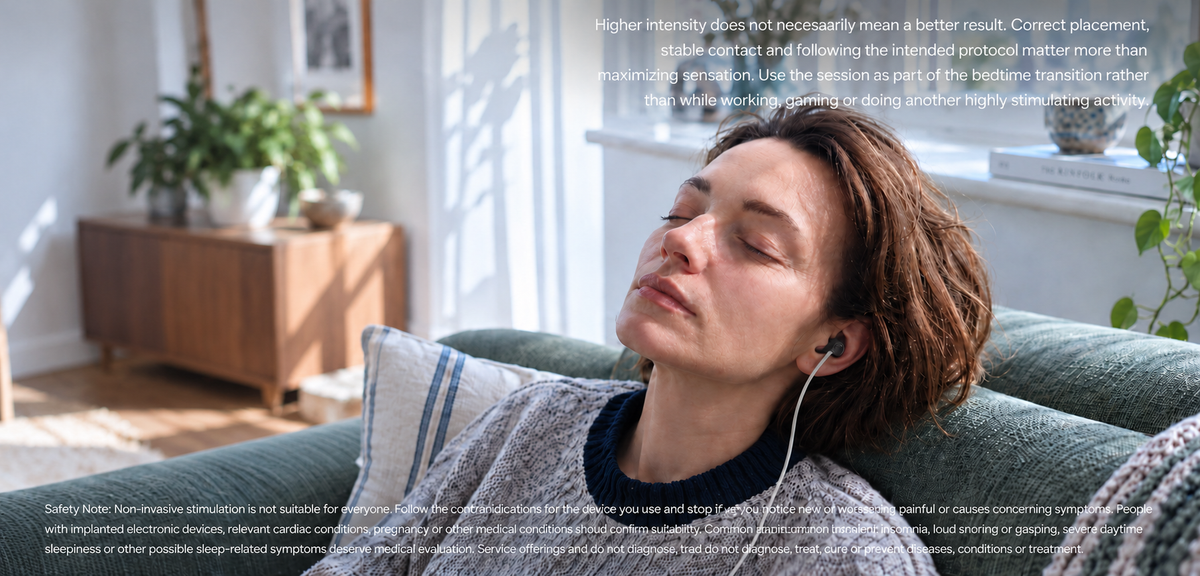
For an ear-based device:
- Prepare the earpiece and contact area as instructed.
- Position it at the device-specific ear target.
- Select the sleep-focused mode.
- Increase intensity until the sensation is noticeable but comfortable.
- Complete the recommended session during a quiet wind-down period.
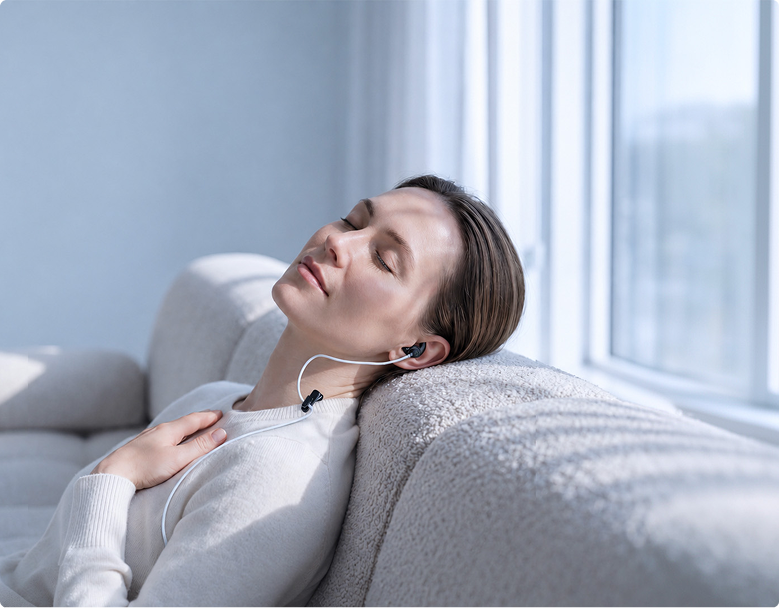
What does research say about taVNS and sleep?
Current evidence is promising for auricular taVNS in chronic insomnia, particularly for overall sleep quality and insomnia symptoms, but it does not validate every consumer sleep device. Research on taVNS for sleep is still developing, but there is now evidence that goes beyond simply asking whether people feel more relaxed after stimulation. Clinical studies have tested whether taVNS can improve sleep in people with insomnia and whether those improvements are greater than with sham stimulation.


